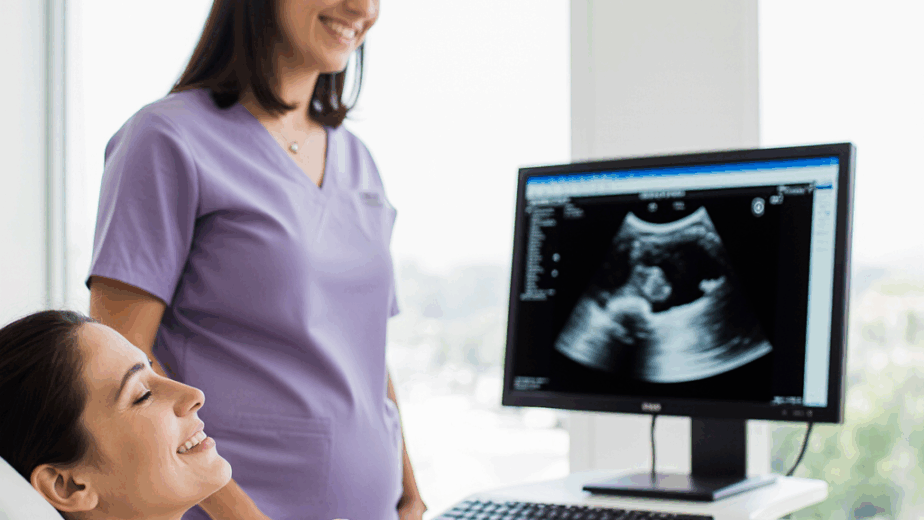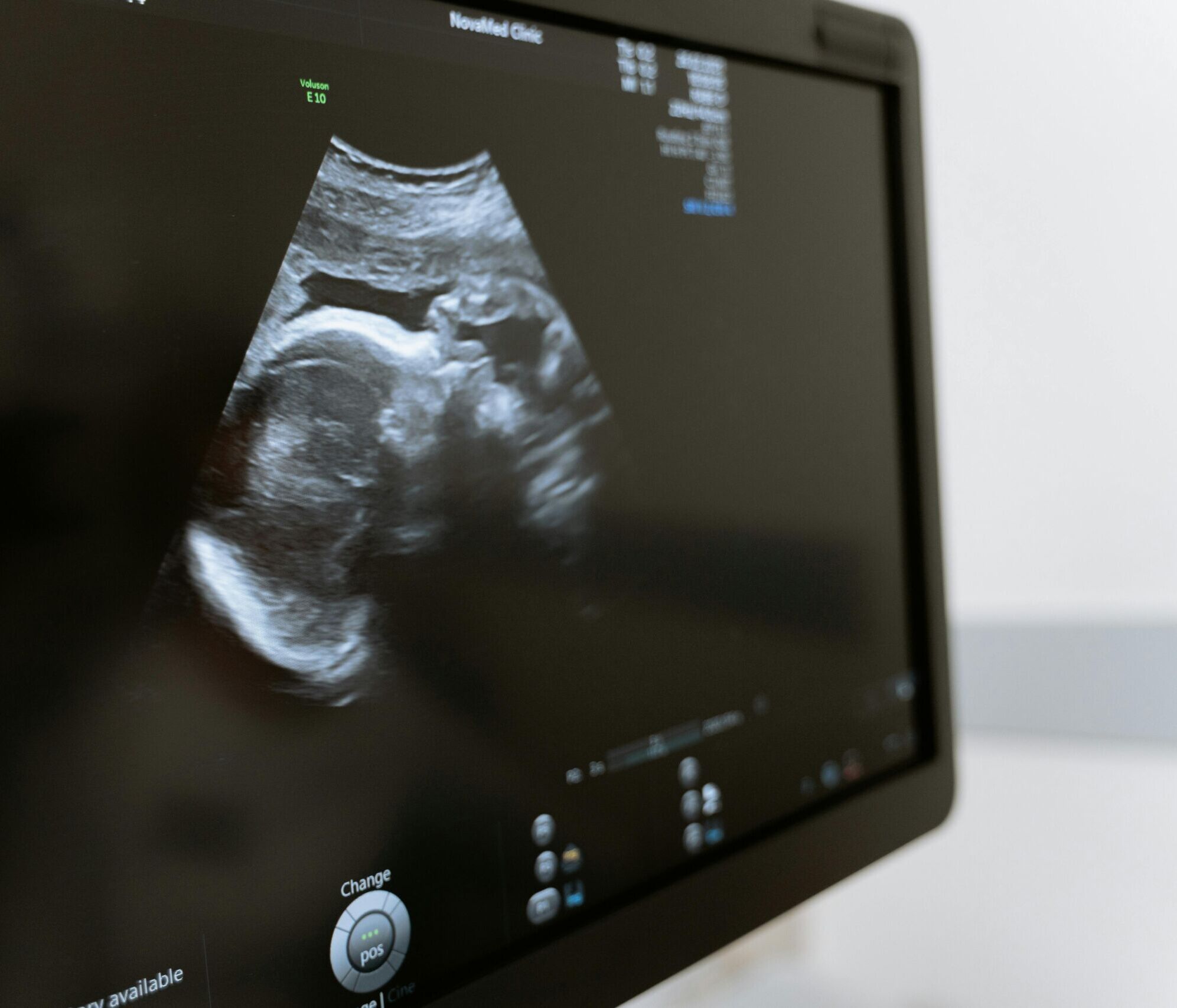
Welcoming a new pregnancy can be both exciting and overwhelming. Many parents-to-be wonder whether an early pregnancy scan is something they should arrange. This type of ultrasound, also known as a viability or reassurance scan, is available from private clinics such as MotherScan as well as in some NHS circumstances. It provides reassurance about the progress of the pregnancy and helps detect important early details.
Below, we answer the most common questions about early pregnancy scans, drawing on trusted sources such as the NHS and NICE guidelines.
What is an early pregnancy scan?
An early pregnancy scan is an ultrasound performed in the first trimester, usually between 6 and 12 weeks of pregnancy. Its main purpose is to:
- Confirm that the pregnancy is located in the uterus (and not ectopic).
- Detect the number of embryos (single or multiple pregnancy).
- Estimate gestational age and provide an expected due date.
- Assess the baby’s heartbeat and overall early development.
- Check for any obvious problems such as bleeding causes or pain sources.
Unlike later scans, this one focuses mainly on reassurance and establishing key facts about the pregnancy’s progress.
How is an early pregnancy scan done?
There are two main methods:
- Transvaginal scan (internal): A small probe is gently inserted into the vagina, which allows clearer pictures at very early stages (around 6-8 weeks). This is safe and usually not painful, though it may feel a little uncomfortable.
- Transabdominal scan (external): A probe is placed on the tummy using gel. This method is more common from 8 weeks onwards, when the pregnancy is slightly larger.
Both approaches use safe ultrasound waves and do not harm you or your baby.
Do I need a referral for an early scan?
No referral is required for private scans. At MotherScan, you can book directly without going through your GP. The NHS will arrange an early scan only if there are clinical indications such as pain or bleeding.
Is an early pregnancy scan necessary for everyone?
Not everyone needs an early scan. According to the NHS, most pregnancies progress normally without one. However, many parents choose it for peace of mind, especially if:
- You have experienced miscarriage, ectopic pregnancy, or fertility treatment.
- You are feeling anxious and want early reassurance.
- You have pain, spotting, or bleeding.
So, while not medically necessary for everyone, it can be emotionally valuable.
How soon can an early pregnancy scan detect heartbeat?
A baby’s heartbeat can usually be detected from 6-7 weeks onwards with a transvaginal scan. By 8 weeks, it is normally visible with an abdominal scan as well. If the heartbeat is not seen, it may simply mean it is too early, and you may be invited for a repeat scan after a week.
Final Reassurance
Pregnancy can be filled with questions and anxieties, especially in the early weeks. An early pregnancy scan is not essential for everyone, but it offers reassurance, confirmation, and clarity at a time when many parents want peace of mind. Whether you have medical concerns or simply want to see your baby’s heartbeat, clinics like MotherScan are here to provide safe, supportive, and professional care.